Pruning is the practice of removing dead, diseased or otherwise unwanted portions from a plant . The purpose of pruning is to shape the plant by controlling or directing plant growth, to maintain the health of the plant, or to increase the yield or quality of flowers and fruits.
Proper pruning is as much a skill as it is an art, since badly pruned plants can become diseased or grow in undesirable ways.
Timing is also very important when pruning a plant. Especially the early spring blooming plants should be pruned immediately after they have finished flowering. This is because the plant sets its flower buds in the current growing season to bloom next year in spring. So it you prune such a plant late in season, it will fail to bloom the following spring.
Every plant has a different style of pruning too. So before to take the plunge to chop the plant, just make sure you know how exactly it should be done. I am making this a point just because I messed up with my Lilacs once last year.
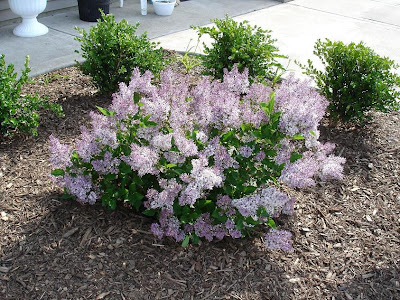
With Lilacs it is said you should prune only 1/3rd of the flower stem immediately after the bloom period. And it seems I pruned the entire flower stems. The plant grew very nicely in spring, but it failed to bloom which made me realize I did wrong pruning.
After a lengthy winter, spring brings the eagerness of blooms in the garden. But, even a small wrong step could put you on a long wait.
 View of the plant, immediately after planting....
 The first blooms of the lilac, following spring...
 Due to the wrong pruning, there were no blooms this spring....